

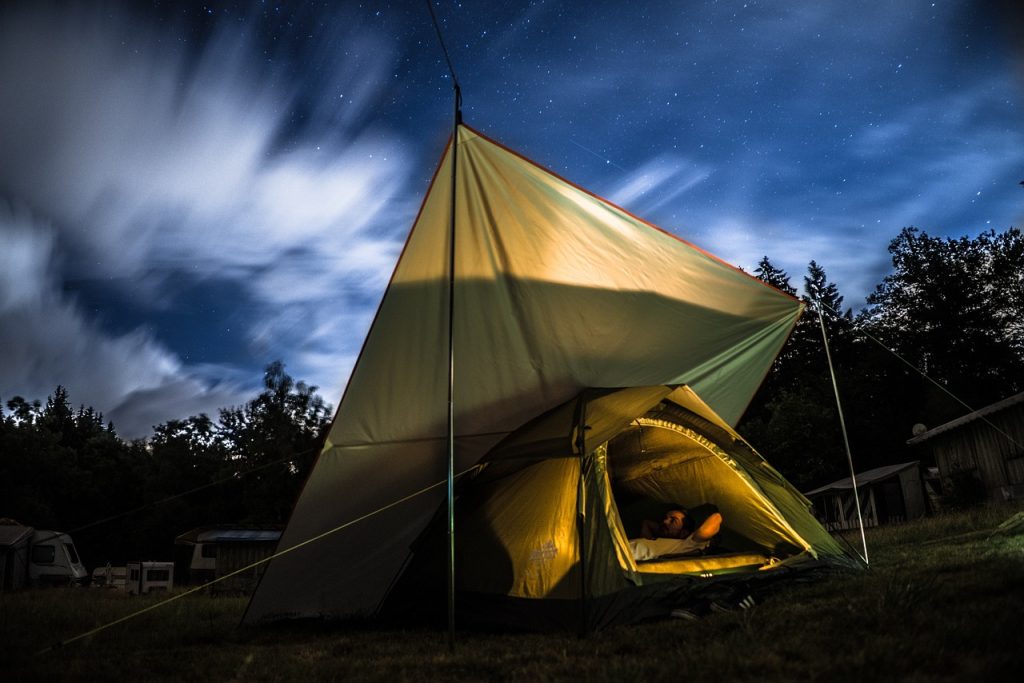
The first step to a successful camping trip is choosing a campsite that matches your comfort level. Many beginners prefer car camping, where you can drive up to your campsite, park nearby, and have easy access to your car for storage and extra gear. Get more information about Hamre Familiecamping.
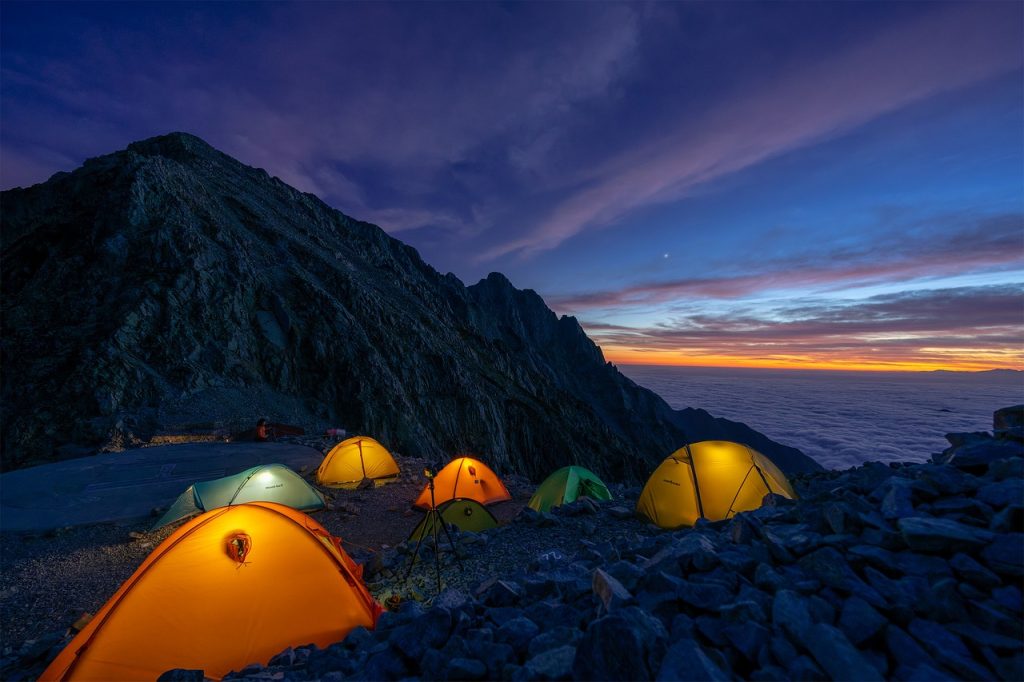
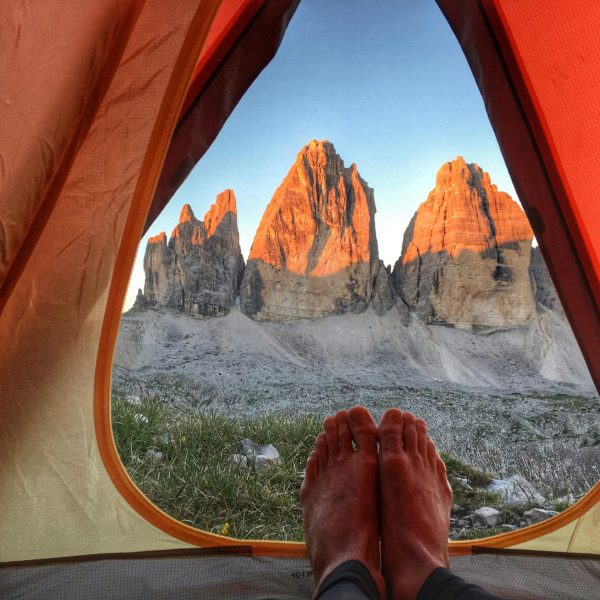
A tent is your primary shelter, so choose one that’s easy to set up and provides enough space for you and your camping companions. Look for a tent with a rainfly and ventilation, as weather conditions can be unpredictable. Practicing setting up your tent at home will save time and stress on arrival.
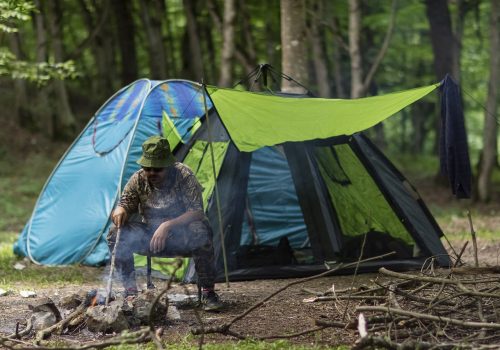
Eating well is part of camping bliss. A compact stove or portable grill is a great choice for beginners, as it’s easy to use and quick to clean up. While a campfire is iconic, it can be challenging to cook on as a beginner and may not be allowed in certain areas due to fire restrictions.
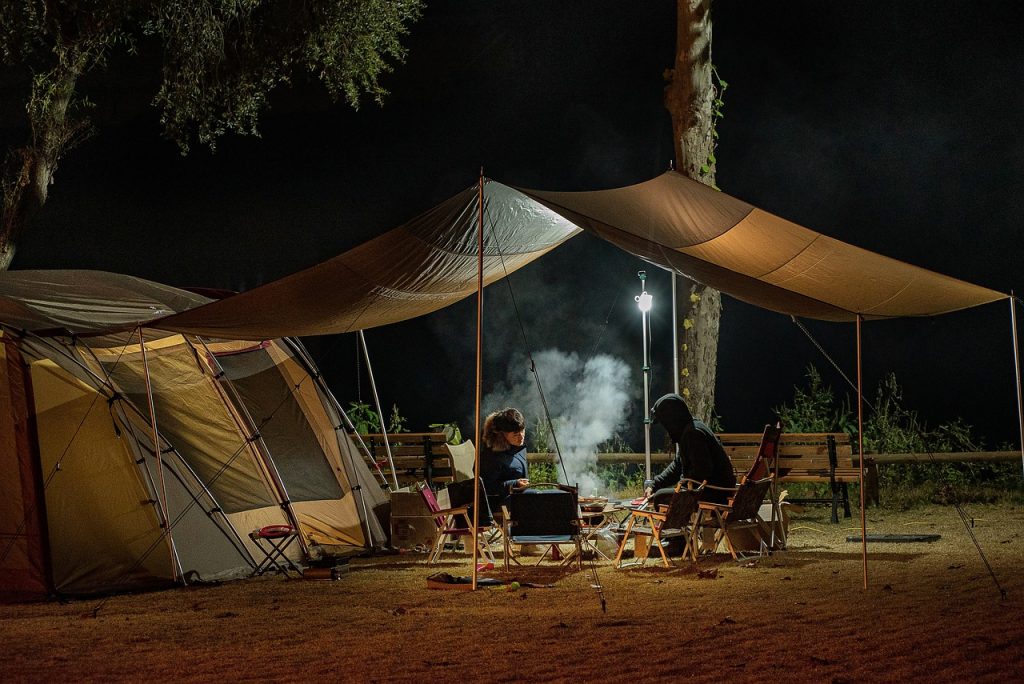
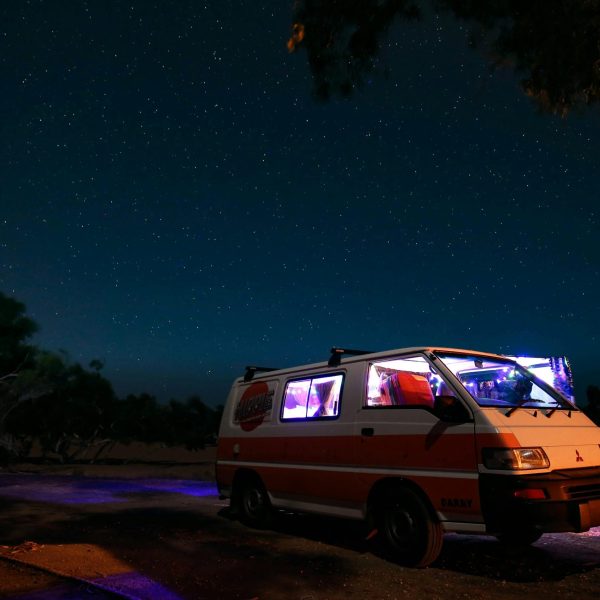
Since nights can get pitch black in the wilderness, having a headlamp or flashlight is essential. It frees your hands and makes moving around at night easier. A backup flashlight or lantern is also a good idea, just in case. Find out more information about overnatting kristiansand.

Building a campfire is a quintessential part of camping, but it’s crucial to follow fire safety rules. Check if the campground allows fires and if there are any fire restrictions in place. When building a fire, use the designated fire ring or pit, and only burn small, local wood that fits inside the ring. Get more details about hytte kristiansand.